ITAR Visitor Requirements: What Defense Contractors Need to Know in 2026
Visitor screening has moved from a front-desk task to a core export-compliance control. If your facility handles defense articles or technical data, your visitor process is part of your risk surface. Look at what auditors and investigators expect to see in 2026.
What ITAR Says About Visitors
ITAR does not publish a single section titled "visitor requirements." Instead, visitor obligations are operationalized from multiple provisions in 22 CFR Parts 120-130. The practical question is whether a visitor can gain access to controlled defense articles or technical data without authorization. If the answer is yes, your visitor program is part of your export-control boundary.
Compliance teams typically start with definitional scope in Part 120, then map licensing and authorization responsibilities across the remaining sections. In physical facilities, that means front-desk controls, escort logic, zone restrictions, and evidence collection must align with export rules, not only building security policy.
Note: Most defense organizations also run EAR controls in parallel. EAR Part 744 denied-party and end-use restrictions are often integrated into the same visitor flow, especially when facilities support mixed programs.
Standards
The 5 Key ITAR Visitor Requirements
Modern teams treat visitor check-in as a compliance workflow with legal consequences, not a receptionist checklist.
1. Pre-visit screening against denied parties lists
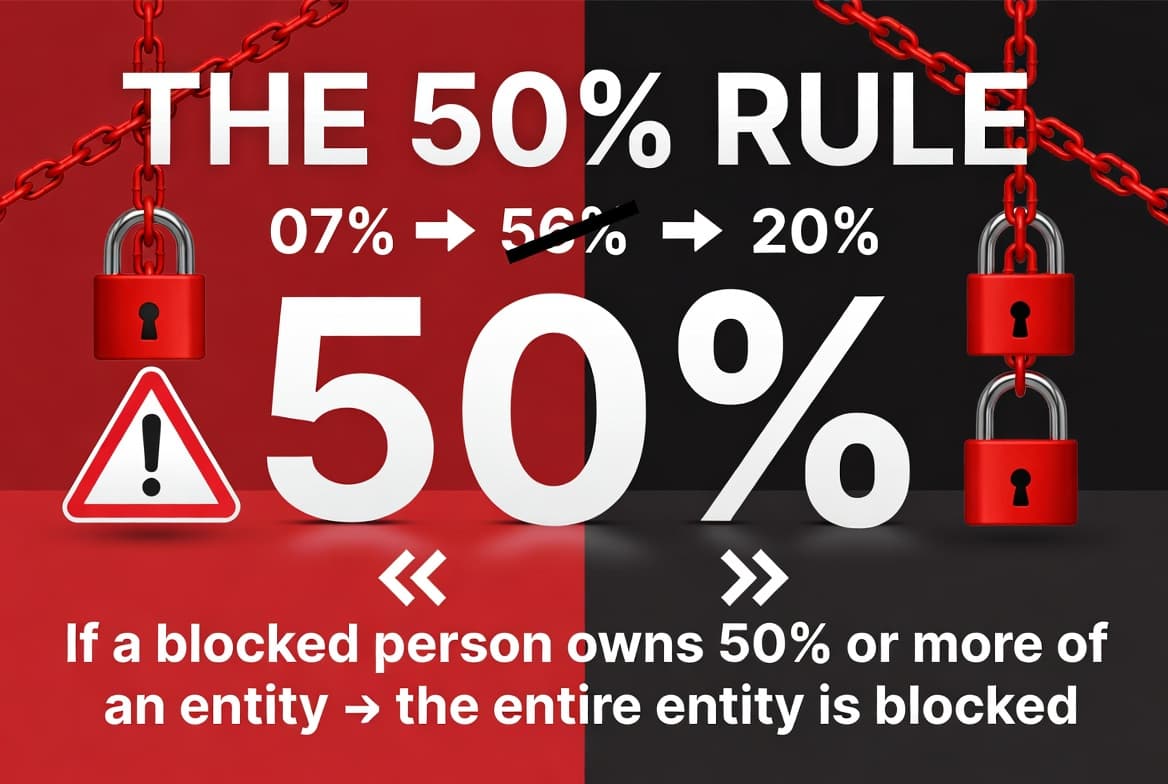
Screening must happen before access, not after entry. Names are screened against OFAC, BIS, and other sources during pre-registration and revalidated at check-in. The best practice is storing the exact list snapshot used for the decision.
2. Verification of citizenship and nationality
These checks are foundational for visitor routing and authorization logic. Programs with foreign-national traffic apply additional review steps and explicit zone constraints. Incomplete identity data must trigger a review rather than a default approval.
3. Escort and access control procedures
Visitor policy must map directly to physical enforcement. Badge type, zone permissions, escort requirements, and sponsor responsibility should be programmatic outputs from screening decisions, not ad hoc human memory.
4. Documentation and record-keeping
A compliant process is only as strong as its records. Keep logs of who was screened, what data was used, who approved, and what access was granted. Time-stamped logs with tamper evidence are standard expectations.
5. Reporting obligations for foreign nationals
Every organization needs explicit playbooks for foreign-national visits involving controlled work: who is notified, what is documented, conditions, and exception protocols. Ambiguity is a frequent source of risk.
Common Mistakes and Enforcement Lessons
Enforcement history consistently shows process breakdowns, not just one-time bad intent. DDTC consent agreements and administrative outcomes frequently cite control failures such as weak access restrictions, poor screening evidence, and incomplete records.
A common failure mode is "paper compliance": the organization has written policies, but front-desk behavior and retained evidence do not match.
!No immutable evidence of who approved access decisions
!One-time screening without recheck at check-in
!Inconsistent handling of foreign-national visitors
!Escort policies that are not linked to badge or zone logic
!Undefined escalation owner when screening returns a match
!No crosswalk between ITAR controls and EAR Part 744
Control Matrix: Regulation to Workflow
High-performing teams map each regulatory expectation to a concrete system action, owner, and evidence artifact. A practical control matrix answers: What triggers it? Who owns it? How is it enforced? What evidence is kept?
Control Domain
Operational Rule
Evidence Artifact
Owner
Denied-party screening
Pre-screen and check-in rescreen before badge activation
List version + screening result + timestamp
Compliance ops
Identity & nationality
Verify identity attributes before zone assignment
Identity log + reviewer action
Front desk + sponsor
Access & escort
Zone restrictions enforced from decision state
Badge profile + zone history
Security team
Exception handling
No override without approver identity and rationale
Exception record + approver signature
FSO / Export lead
Record retention
Immutable log retention per policy and legal hold needs
Hash-verifiable audit export
Governance
Want the Implementation Checklist Version?
Start with our ITAR Visitor Management System and map your current controls against our four-step automated workflow.
Are ITAR visitor requirements written as one checklist in the regulations?↓
No. Teams generally build visitor controls by combining ITAR definitions, licensing rules, and recordkeeping obligations with internal physical security procedures.
Do U.S. citizen visitors still need screening?↓
Yes. Screening and access controls are not only about citizenship. Organizations should still verify identity, access need, and restricted-party risk under their compliance program.
How does EAR Part 744 relate to an ITAR visitor process?↓
Many facilities handle both ITAR and EAR-controlled work. EAR Part 744 denied-party controls are commonly included in the same visitor screening workflow.
How long should visitor screening records be retained?↓
Retention must align with your regulatory obligations and internal policy. Export-compliance teams typically keep complete screening and decision records long enough to satisfy audit and investigative lookback needs.
Can a manual spreadsheet process still be compliant in 2026?↓
A manual process can exist, but in practice it is hard to prove consistency, timeliness, and evidence integrity at scale. Automated workflows are now the operational standard for most regulated organizations.